
A hillside can look completely different in the morning and afternoon, while a narrow street may remain shaded for hours. Planning photographs in the northwest therefore takes more than checking sunrise time. Consider the direction of the light, access to your chosen position, and the activities taking place there. A photograph made from a comfortable, permitted position usually leaves more room for observation than an improvised stop on a narrow road shoulder.
Observe before returning
Before booking an outing around a particular photograph, look at the shape of the surrounding terrain. A high ridge may hide the sun after its theoretical rising time, and a rock wall may lose sunlight well before sunset. On a first visit to a town, take a short daylight walk and notice the orientations. Then choose one or two scenes to revisit instead of chasing several unfamiliar locations within the same brief window of light.
Favorable light does not guarantee that access is open. Confirm opening hours, permitted routes, and return conditions with whoever manages the site. On a shared excursion, discuss photographic stops with the guide before leaving. Do not expect an entire group to change its itinerary for your composition. If the picture depends on descending a closed slope or returning after dark without a suitable plan, find another perspective from the authorized route.
People and animals are not props
In a plaza or market, distinguish photographing the setting from making a portrait of someone. A greeting and a simple question establish whether that person wishes to appear and what use of the image they accept. A refusal needs no explanation. Buying something should not create an obligation to pose. When a ceremony welcomes visitors, that does not mean every part may be recorded: follow the organizers' directions and put the camera away when asked.
For wildlife, work with the available distance and framing rather than approaching, surrounding, or attracting an animal with food. La Ruta Natural recommends keeping a respectful distance and not feeding animals to obtain photographs. A small bird within a broad landscape can convey the scene better than a close-up achieved by disrupting its behavior. Avoid noise, repeated movements, and positions that block an animal's path away from you.
Equipment that leaves room for others
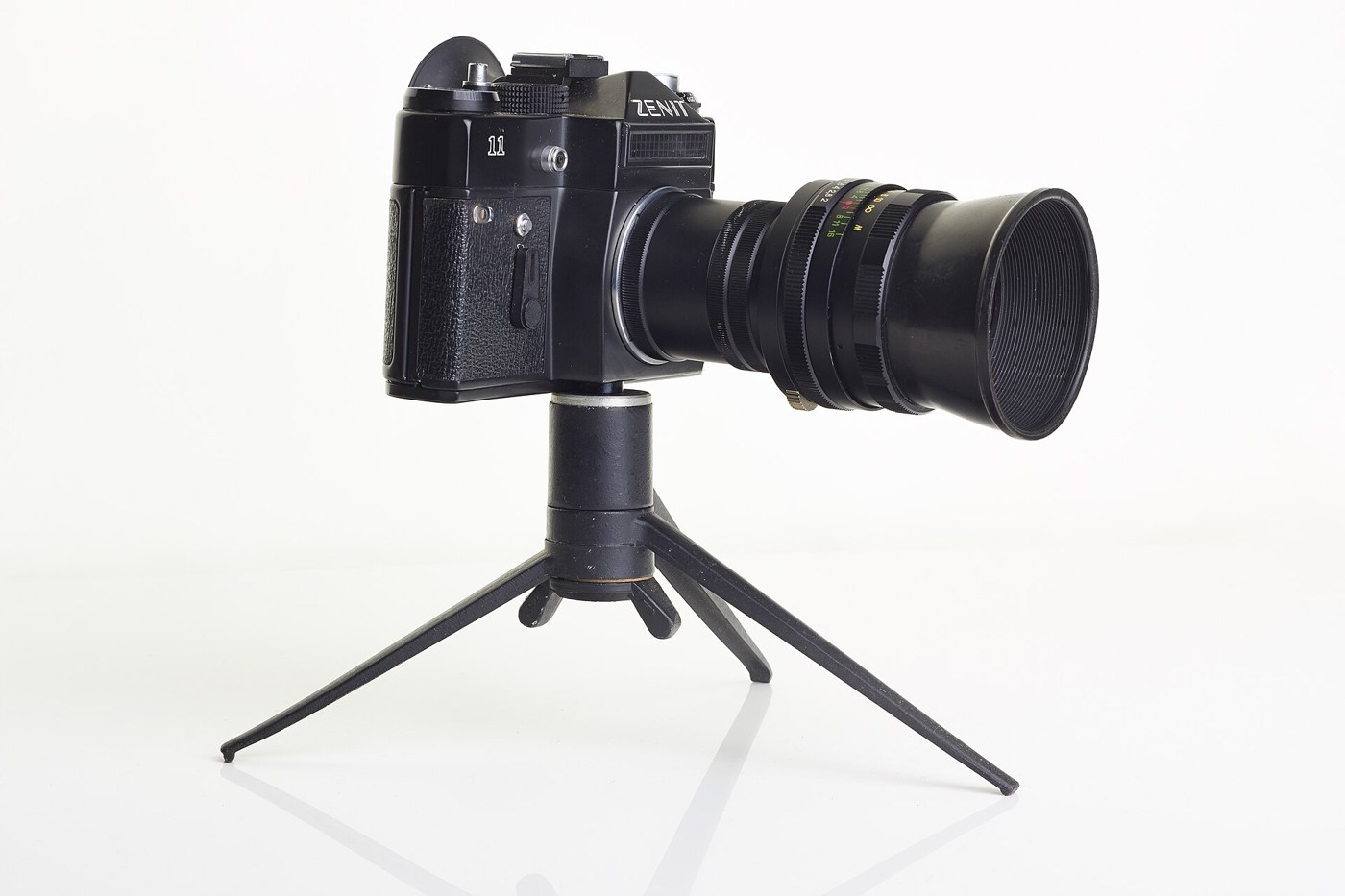
Carry only the equipment you can manage without blocking access. On a trail, a tripod should not force other people off the path; inside a building, ask whether it is permitted. Check the specific rules for drones before bringing one with the intention of flying it. Afterward, record place names and any agreed conditions for the images. Clearly identified files help prevent attributing a photograph to the wrong village or publishing a portrait outside the context that was accepted.