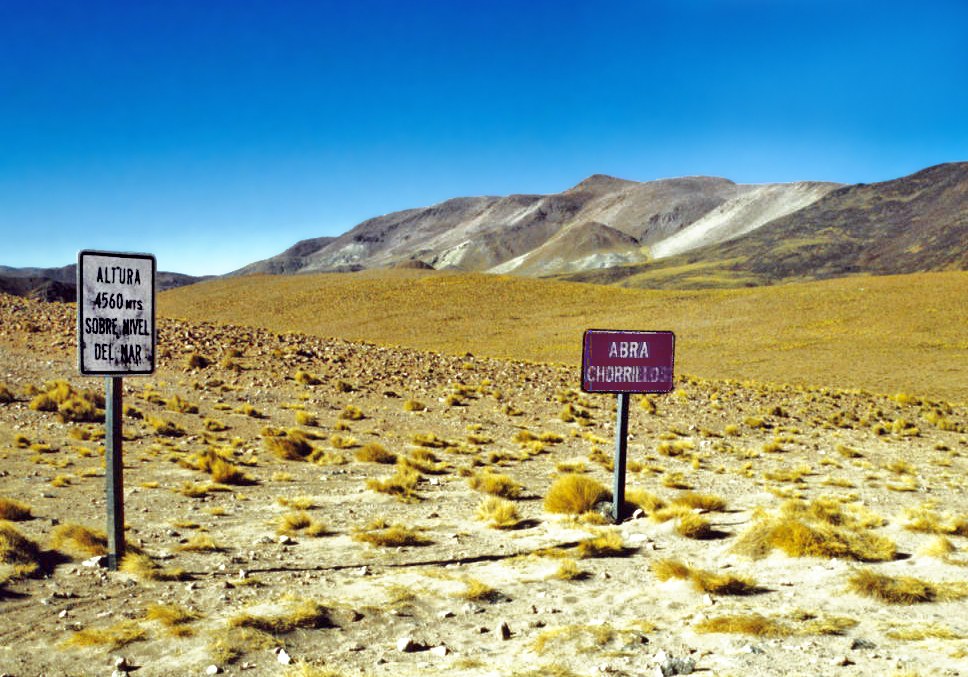

Elevation often appears in a tourism description as a landscape fact. For trip planning, it is also a condition that deserves separate attention. Knowing the excursion’s duration is not enough: understand where you start, how high you go, and where you will sleep. That information supports a useful conversation with the operator and, when appropriate, a healthcare professional before committing to the route.
Sketch the route in elevation
Prepare a simple sequence of places and overnight stays. Mark substantial elevation changes and distinguish a daytime visit from sleeping high up. A mapping app can provide an initial reference, but confirm relevant details with the operator or a reliable geographic source. A short distance does not necessarily mean a small ascent.
CDC guidance emphasizes gradual ascent and explains that physical fitness does not guarantee protection from altitude illness. Do not turn that guidance into a promise that a fixed number of hours will be enough for everyone. If you have health conditions or a relevant history, seek advice before traveling and bring the itinerary to that discussion. Preventive medication calls for individual guidance rather than an improvised recommendation from another traveler.
Ask what happens if the plan changes
Alongside the meeting point and planned timing, ask how the activity can be interrupted if someone needs to return. Knowing who makes that decision, what communication is available, and which alternatives the operator has considered is more useful than a general assurance that the excursion is safe. Do not assume another vehicle can immediately reach a remote location.
Leave room in later reservations. A transfer that forces you to continue when the group needs to stop can turn a flexible itinerary into unnecessary pressure. Arrange subsequent activities so you can reduce exertion or change plans. A viewpoint’s value does not depend on completing every planned stop that day.
Take symptoms seriously
If symptoms develop after ascent, tell your companion or excursion leader and do not continue higher. Breathlessness at rest, confusion, or difficulty coordinating movement require urgent help and assisted descent. Do not automatically dismiss discomfort as ordinary adjustment or wait until the activity ends to mention it.
Preparation includes accepting that an excursion may remain unfinished. Keeping the operator’s details and return plan available helps you respond clearly. A photograph or prepaid booking should not take priority over the person’s condition.