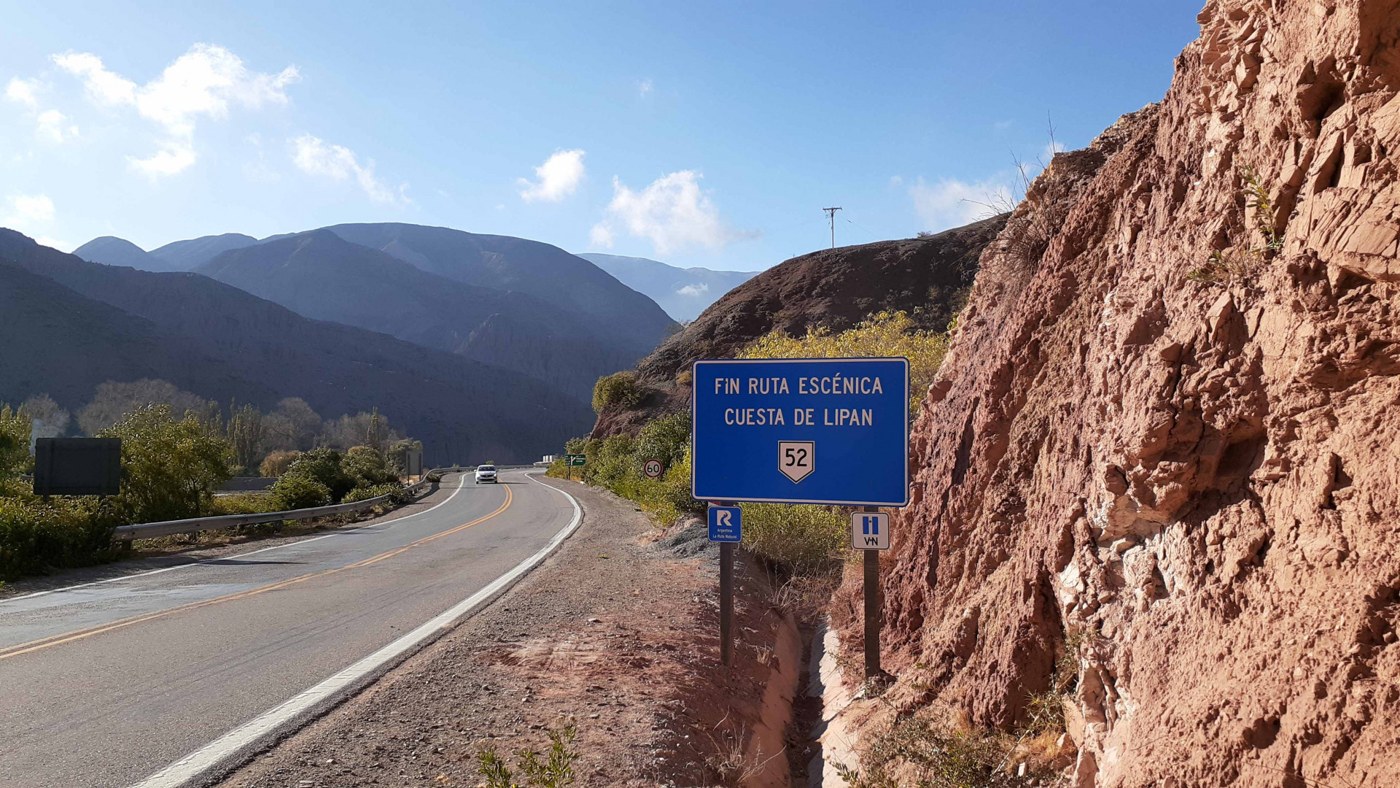

A clear morning in town does not confirm conditions at a high pass. Likewise, a road drawn on a map is not proof that it can be traveled that day. Before an outing in the northwest, separate three checks: the expected weather, the condition of the road, and whether the destination is receiving visitors.
Identify the road segment, not just the destination
Note the road number, intermediate towns, and any planned detour. That sequence helps you interpret a notice describing a closure between points that do not match the excursion’s tourism name. Distinguish national roads, provincial roads, and local access tracks: one source may not cover all of them.
The official national-road conditions page is a starting point for that network. For provincial roads or park access, find the corresponding responsible authority. Check the notice’s date and time. An old post circulating again may describe a resolved problem while missing a newer one.
Read a notice within its scope
Check the geographic area and time period covered by a forecast or an alert from the national weather service. Do not automatically extend a provincial capital’s forecast to every valley and highland area. Wind, rain, or thunderstorm warnings can affect a walk, a city visit, and an exposed road journey differently.
If the information is unclear, contact the operator or visitor center before leaving. Ask which conditions would lead to a route change or cancellation. A report from someone who traveled yesterday may provide context, but it does not override a current restriction or the access authority’s latest assessment.
Choose a fallback independent of the same problem
A useful alternative should not require the same closed segment. Prepare a nearby activity or a day without a transfer, and tell your accommodation if your arrival changes. Do not respond to a restriction by improvising an unfamiliar minor road simply because an app displays it as a shortcut.
Save official links and necessary contacts before losing connectivity. If traveling with others, share the decision and meeting point. Check again when conditions change rather than relying only on research from weeks earlier. The aim is to have enough information to decide, not to collect screenshots without knowing when they applied.