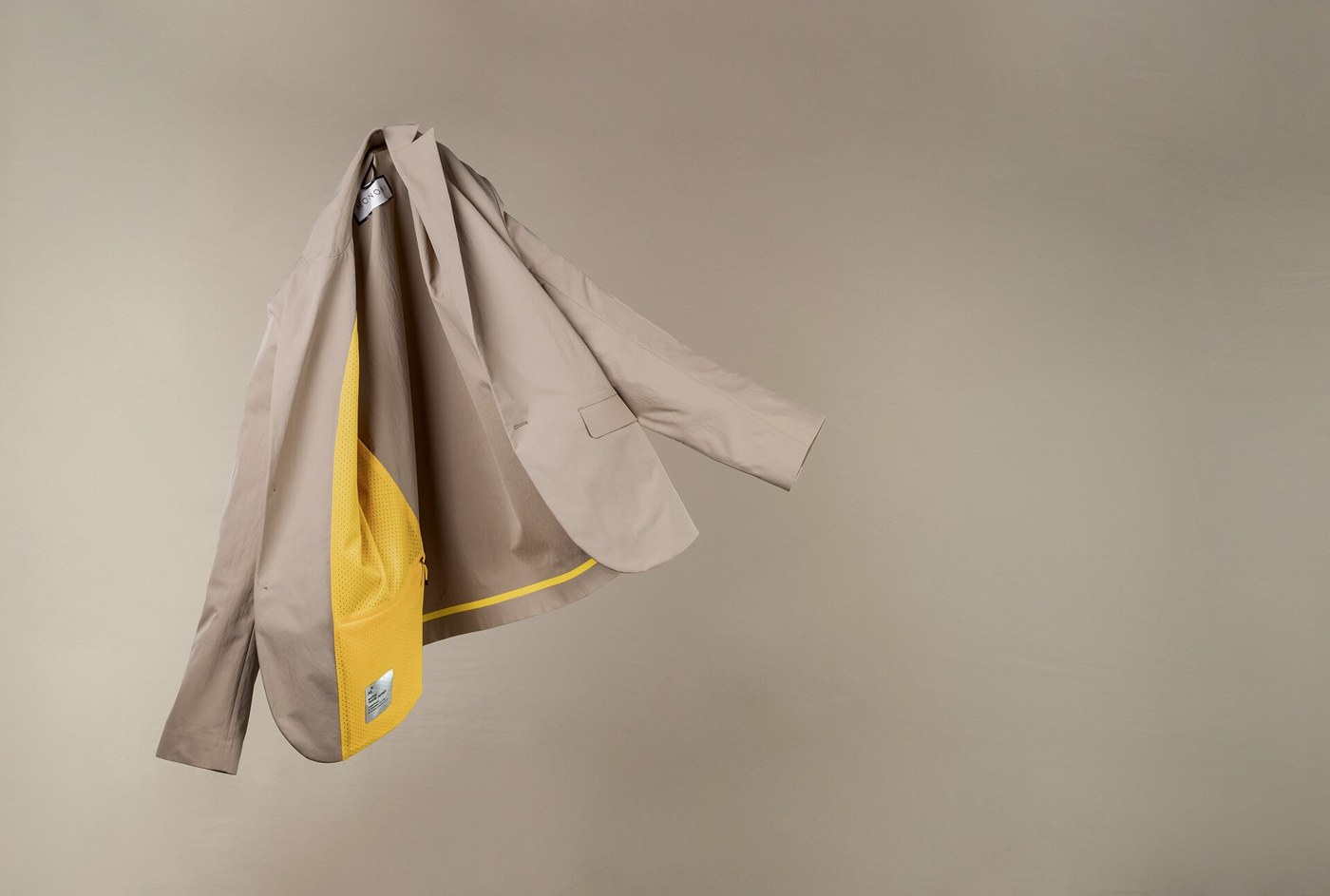

A bag packed for walking around a city can feel incomplete when you step out at a high viewpoint. Northern Argentina includes very different environments, and a journey may change elevation, wind exposure, and access to shelter. Organizing clothing in layers helps you respond to those transitions without packing a separate outfit for every stop.
Start with the actual itinerary
List where you will sleep, the excursions you are considering, and how long you may be away from your accommodation. A short outing with an early return calls for different organization from a transfer with several stops and an evening arrival. Check forecasts for the relevant locations, not only the airport city. If an operator runs the activity, ask what clothing or protection it requires for that specific departure.
Separate the clothing traveling in your suitcase from what needs to remain accessible. A warm layer buried beneath all your luggage is unhelpful during a brief stop. A small accessible set might include insulation, wind protection, and accessories suited to the forecast. The aim is to adjust comfortably without unpacking everything.
Try the combinations before departure
Wear together the pieces you intend to layer. Check that you can move your arms, close the outer layer, and sit without uncomfortable pressure. A jacket size alone does not establish that it will fit over insulation. Also check whether pockets remain accessible while carrying a backpack.
Everything does not need to be new. Familiar combinations help you anticipate what rubs, gets damp easily, or dries slowly. If you will alternate town visits and trails, choose pieces that can serve both settings. Agree on the requirements of a demanding activity with its organizer; a general packing list does not replace required specialist equipment.
Leave one decision for each morning
Before leaving, review the day’s plan and the updated forecast. Choose the contents of your day bag for those conditions, even if the sky above your accommodation looks calm. Keep a dry item separate from damp belongings and put necessary protection within reach.
If your luggage is too heavy, remove duplication before removing pieces that address specific changes along the route. Two nearly identical items may be less useful than complementary layers. At the end of the day, dry what you used and prepare the next outing’s clothing. That small routine reduces last-minute improvisation when transport arrives early.