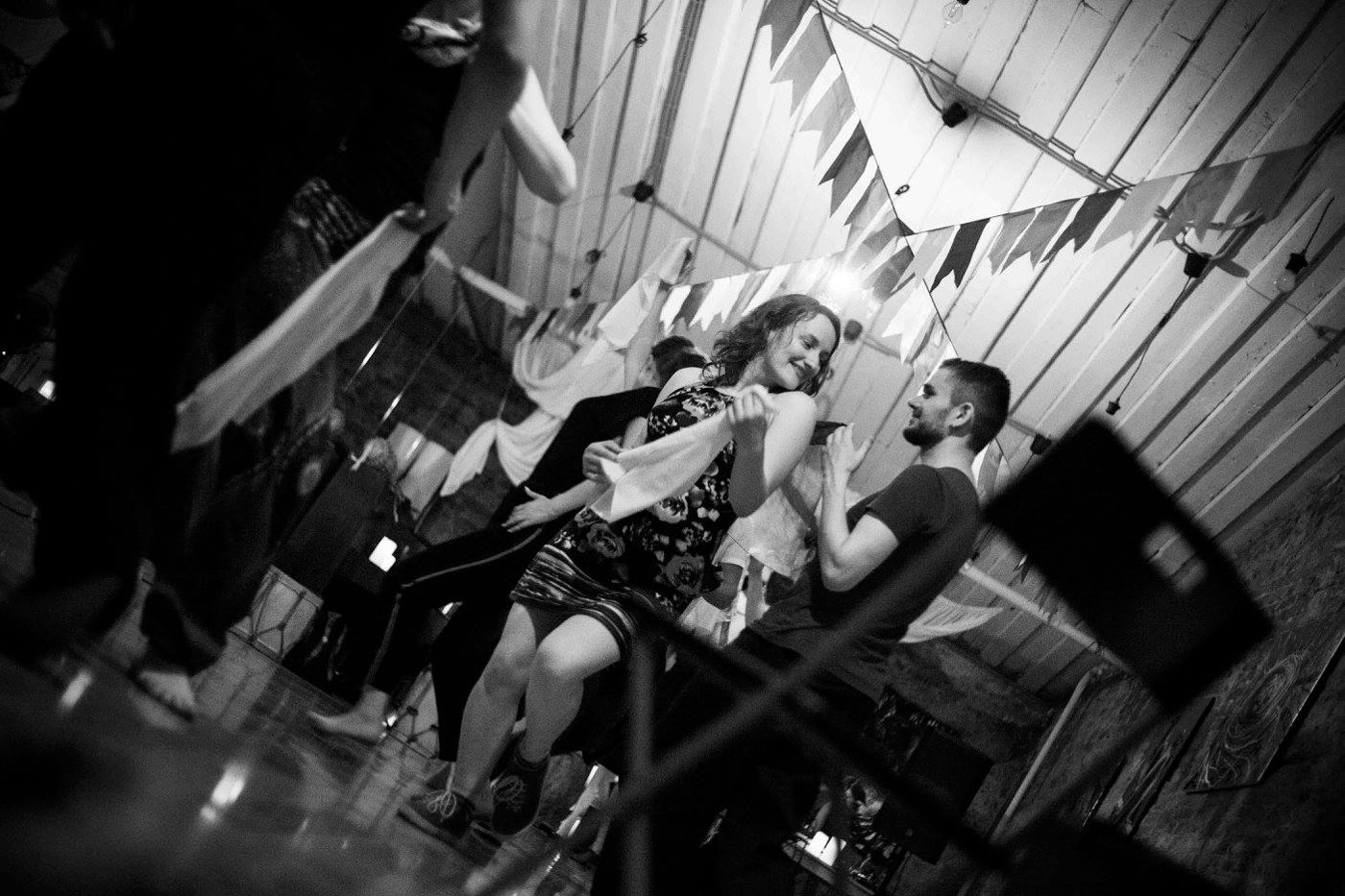

Watching a zamba and taking a zamba lesson are related but different experiences. In a performance, dancers shape an interpretation for an audience. In a class, movements are separated, repeated, and explained. Confusing the formats may lead you to expect a finished choreography after a few minutes or interrupt a performance seeking instructions that are not part of it.
The handkerchief is not the whole dance
The handkerchief is characteristic, but it does not explain the dance on its own. Movement, pauses, and the relationship between partners also matter. Educational activities by Argentina's National Folkloric Ballet identify figures such as the full turn, half turn, and arresto. Those names become clearer when demonstrated in context. A written list cannot teach timing or distance from another dancer.
Choosing and using a lesson
To try a lesson during a trip, find out its level, length, and format. Ask whether to bring a handkerchief, whether you can attend without a partner, and which shoes suit the floor. Not every activity advertised as folklore concentrates on zamba. Choosing an appropriate workshop prevents frustration and allows the instructor to teach without redesigning the session around a different expectation.
While learning, observe the path of movement before adding details. Understanding where to pause may be more useful than attempting theatrical expression immediately. Respect your partner's space and ask before recording the class. A video showing other participants does not automatically become suitable for publication because the activity was open to the public.
Watching an interpretation
If you prefer to watch a performance, notice how a musical phrase receives a physical response. There is no need to translate every gesture into a fixed courtship story or a rule about contemporary roles. Traditional explanations and current interpretations can coexist. When speaking with artists or teachers, leave room for them to explain their own decisions instead of supplying an interpretation on their behalf.
A first encounter does not require demonstrating mastery. A new term, a recognized figure, or a difference between two interpretations may already change how you listen afterward. Record the activity's name or its organizers so that continued learning has a concrete starting point. A travel lesson can be an introduction without becoming a claim to experience you have not yet acquired.