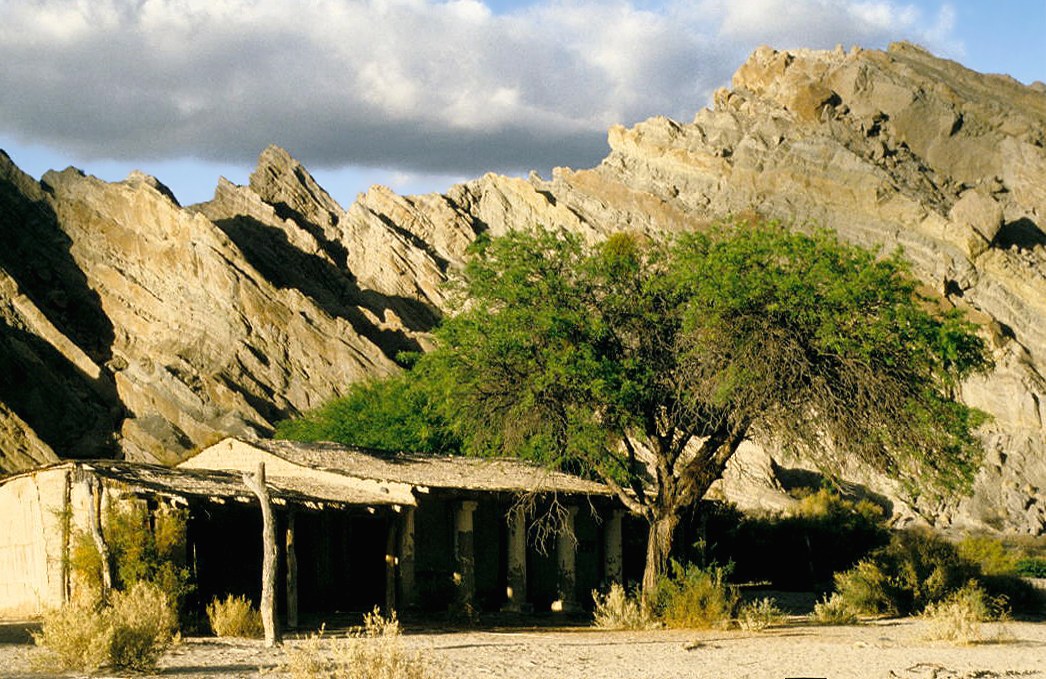

San Carlos introduces another scale to a journey through Salta’s Calchaquí Valleys. It does not need to compete with Cafayate in the number of available activities or serve merely as another box to check along Route 40. Its interest lies in the settlement, craft production, and the history of a territory shaped by conflict and change. Stopping here can add depth to a trip otherwise concentrated on dramatic scenery and transportation.
History that needs context
Provincial tourism information connects San Carlos with colonial attempts at occupation and Diaguita-Calchaquí resistance. That history deserves more than a picturesque phrase about the town’s names. During an interpreted visit, ask about sources and changes in the settlement. The present shapes of the square and buildings cannot automatically establish what the whole territory looked like centuries ago. Distinguishing a surviving structure, a reconstruction, and an oral account helps you appreciate each without asking it to provide evidence it cannot supply. Different kinds of explanation can coexist without becoming interchangeable.
Enter a workshop with a question
Pottery, silverwork, and weaving are among the activities highlighted by the province. If you want to visit a workshop, establish whether it receives visitors and under what arrangements. You might ask about a tool, the source of a material, or the time needed for one stage of production. There is no need to turn the encounter into an extended interview: a specific question and attention to the answer are often enough. If you only intend to look, say so openly and respect the maker’s working time. An object’s price cannot be explained solely by its size.
Give the stop its own time
To fit San Carlos into the journey, distinguish time in town from the onward road segment. A planned lunch stop may expand through a conversation or visit; retain a margin if you want to complete the next drive in daylight. You can also select one activity and omit another without considering the visit incomplete. The value of a smaller settlement is precisely this opportunity for focused attention, where history and present-day work become more than labels in a guidebook. Allowing that focus may matter more than covering every available point of interest.