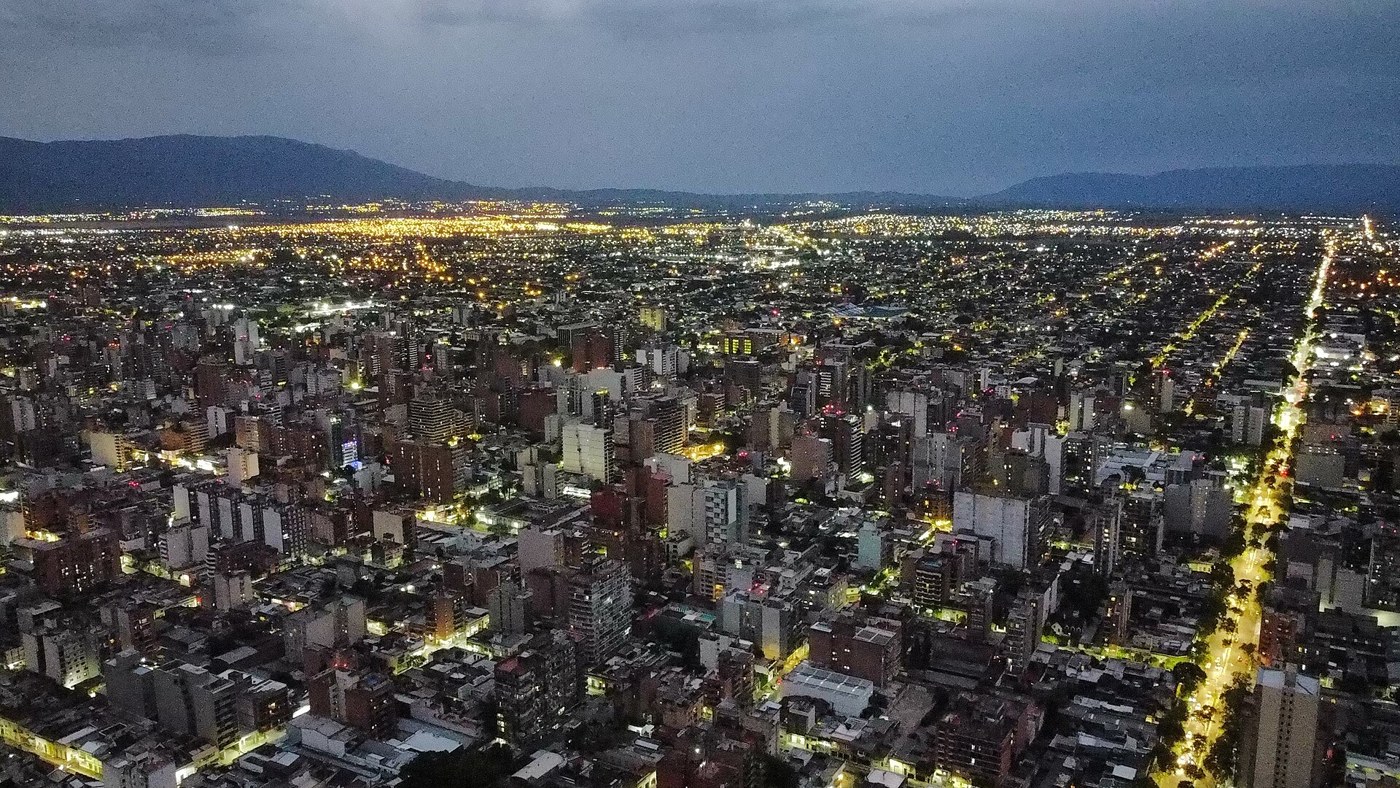

The Casa Histórica de la Independencia may be the main reason to visit San Miguel de Tucumán, but the center broadens that story. Plaza Independencia, government buildings, churches, and museums form a group best explored with time to pause. They do not all belong to the same period or serve the same purpose. Recognizing those differences prevents the impression that the city stopped developing when independence was declared in 1816.
Look closely at the square
Plaza Independencia makes a useful first reference point. Lola Mora’s Liberty sculpture stands in its center, while buildings of different architectural styles surround it. Before moving on, examine their proportions, materials, and relationship with the public square. Government House occupies the former Cabildo site, a detail that introduces replacement and transformation alongside preservation. An urban landscape tells stories through things that changed or disappeared as well as through buildings that survive. You do not need specialist architectural vocabulary to notice those contrasts.
Allow time for the historic house
At the Casa Histórica, look for the museum’s explanations of its rooms, reconstructions, and displayed objects. A commemorative site combines physical heritage with later ways of remembering an event. Allow time for that interpretation and confirm visitor arrangements directly with the institution. If your group is particularly interested in independence, exploring this visit carefully may be more valuable than adding four other museums without time to discuss them. With children, a concrete question about who gathered there can be more helpful than a long sequence of dates to remember.
Return to the present
After the historic circuit, leave part of the outing for the present-day city. Lunch, a bookstore, or another square can reveal a functioning provincial capital. Parque 9 de Julio belongs to an outing on a different scale; avoid adding it as though it were immediately beside every central building. Plan the transfer separately and consider the heat when deciding when to walk. A well-paced visit may finish with fewer attractions checked off and a clearer understanding of how memory, work, and everyday life coexist in Tucumán. That understanding will also give later excursions into the surrounding province a more useful starting point.