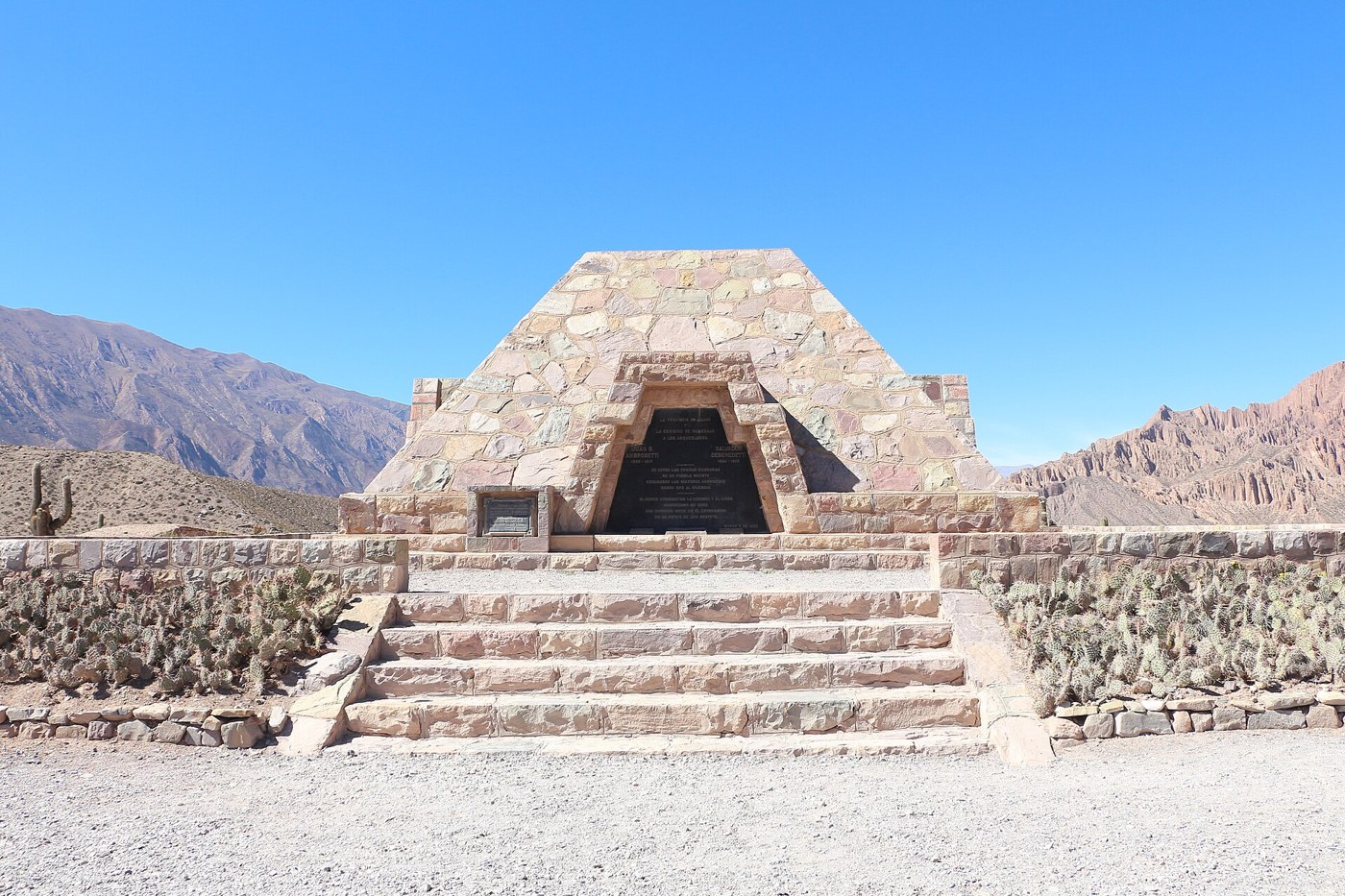

At Pucará de Tilcara, stone walls help visitors imagine inhabited spaces, but they should not all be read as structures that survived untouched. The site brings together archaeological evidence, reconstruction, and conservation work. This combination is central to understanding a visit. Instead of searching for a scene frozen in time, consider how an explanation of the past is assembled from incomplete remains.
Reconstruction is part of the story
The University of Buenos Aires' Centro Universitario Tilcara describes research and reconstruction carried out during the twentieth century. Before walking through the site, consult its interpretation and distinguish areas of preserved remains from those intended to represent a possible building form. A reconstructed wall can be educational without becoming literal evidence for every detail of ancient life. Ask staff where that distinction is visible.
From landscape to enclosure
The elevated setting allows you to connect the settlement with the Quebrada de Humahuaca. Observe sightlines, slopes, and circulation from authorized viewpoints. Do not automatically turn a broad view into a military explanation for the entire site. Location can also relate to activities, resources, and social organization. A guide or interpretive panel can clarify which explanations are supported for a particular area.
When examining an enclosure, ask how its function was identified. The shape of a space provides one clue, but recovered materials and their context also matter. If an explanation uses a word such as “probably,” preserve that qualification when recounting what you learned. Uncertainty is not a failure of archaeology. It helps show where available evidence ends and a working interpretation begins.
A route that protects the site
Uneven surfaces and exposure to sun can affect how much of the route feels comfortable. Check the current layout, available assistance, and access conditions before assuming everyone can complete the same circuit. Stay on designated paths. Do not climb walls for a photograph or move stones that appear loose. Even an isolated piece belongs to a context, and a casual rearrangement may remove information that another visitor cannot see.
The university center's archaeological museum offers a complementary way to pursue regional questions; check its arrangements as a separate visit. On leaving the Pucará, record one observed detail and one question about its interpretation. That pair of notes is more useful than a sweeping statement about how everybody in the Quebrada once lived. The site rewards close attention while also reminding visitors to recognize the limits of what can be known.