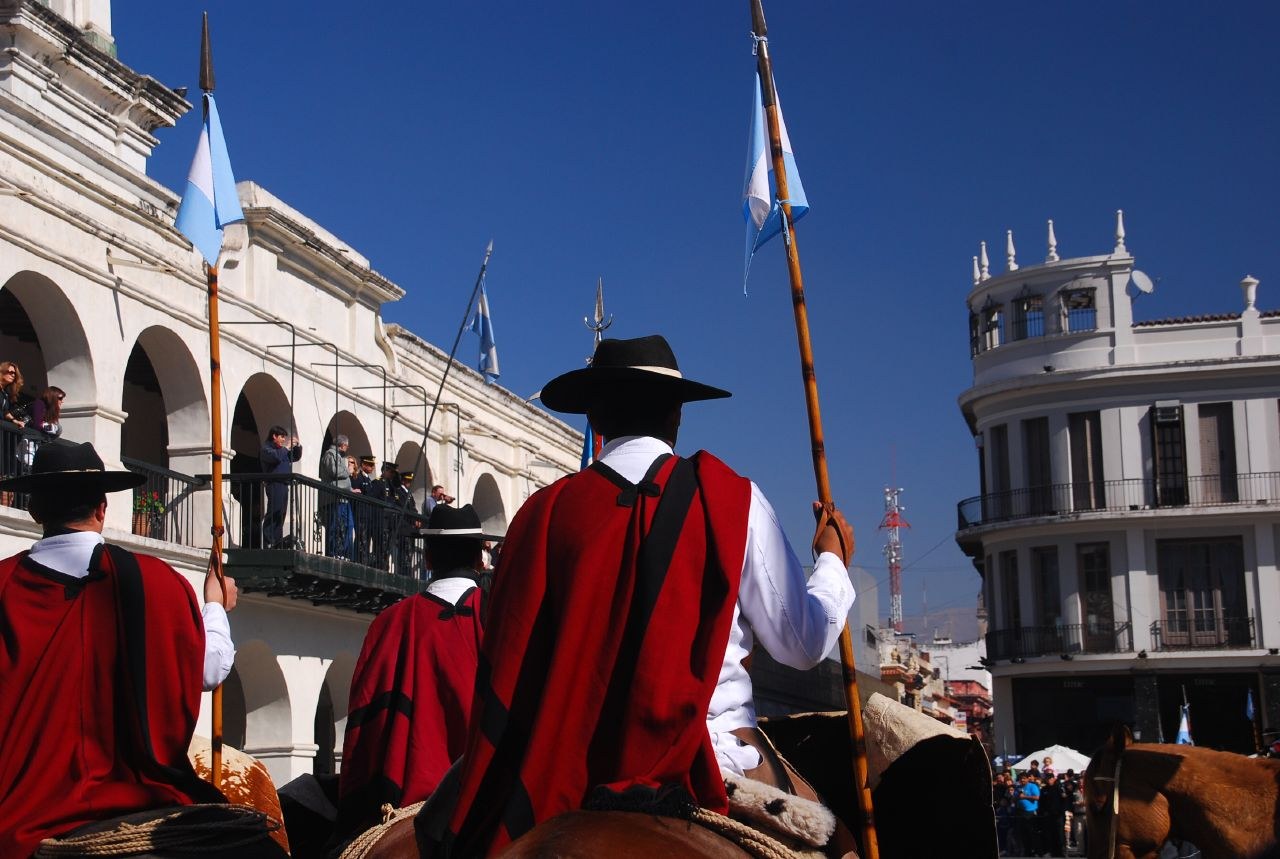

A finished poncho may look simple: a broad textile, an opening, and a recognizable design. Yet that appearance brings together choices about fiber, spinning, weaving, finishing, and use. In Catamarca and elsewhere in northwest Argentina, approaching a garment with concrete questions helps value the work without relying on general statements about handmade or ancestral production.
Provenance and composition
National tourism information identifies weaving as an important part of Catamarca's craft production alongside other techniques and materials. A poncho bought in a province was not necessarily woven there, however. Ask who made it and where, and distinguish the producer from the person selling their work. Transparent resale can be legitimate. The important point is not to assign authorship or provenance that nobody has confirmed.
Fiber is an opening question rather than a visual conclusion. Color and softness cannot reliably identify it. Blends and different preparation methods can change the result. Request the composition and, if a material requires documentation for its origin or transport, ask what supporting information applies. A verbal claim of rarity is neither a quality guarantee nor a reason to buy in a hurry.
Following the work
Spinning affects the thickness and consistency of yarn; weaving determines how those threads relate across the surface. If the maker wishes to explain the process, ask which stages they perform and which involve other producers. Collaboration does not automatically reduce a piece's value. It may reveal a chain of skills hidden by the image of one person sitting at a loom.
With permission, examine the finishing: edges, any joined panels, and the central opening. Do not pull fringes or test strength by stretching the fabric. A delicate garment deserves careful handling before it belongs to you. If trying it on is allowed, notice its drape and the room it leaves for arm movement. A size suitable for everyday outerwear may differ from one intended for occasional use.
Buying and caring
Price becomes easier to understand through work and materials than through comparison with a similarly sized factory-made garment. If it exceeds your budget, thank the seller and choose something else without dismissing the time involved. Nor is a lengthy demonstration necessary to justify a purchase. An open workshop may offer a specific visitor format that should be arranged separately.
Before taking the poncho home, request cleaning, drying, and storage guidance for its particular composition. Keep the maker's name and the piece's information. This small record supports care and accurate storytelling. The poncho can become more than a generic northern symbol: an identifiable work produced through choices that remain visible long after the journey ends.