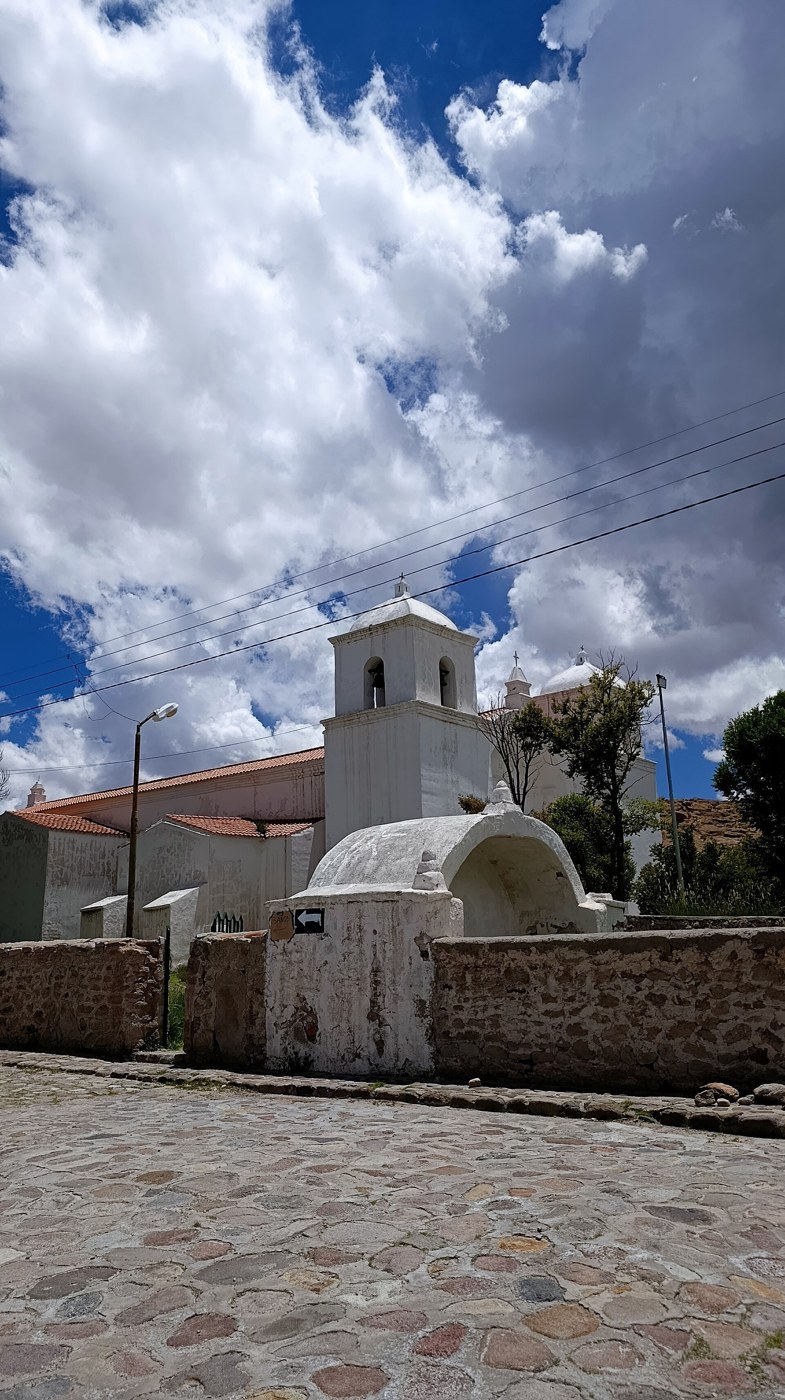

The doorway of a historic church does not always mark the entrance to a museum. It may lead into prayer, preparations by local residents, or an active celebration. In northwest Argentina, architectural interest exists alongside these present-day uses. Begin by finding out what is happening and adapting your visit, rather than expecting the building to follow a traveler's schedule.
Prepare questions, not assumptions
Catamarca's Ruta del Adobe includes places where earthen construction and religious use connect with town histories. Other churches, such as Cachi's, allow regional materials to be considered in interior elements. These references help prepare questions; they do not mean every church shares a style, age, or access policy. Similar facades may belong to very different building histories.
Inside the church
If entry is permitted, give your eyes time to adjust to the light before reaching for a camera. Observe proportions, the roof structure, and the placement of images from authorized areas. Do not cross a low barrier or open doors to complete your exploration. A space without a prohibition sign may still be reserved. Asking prevents silence from being mistaken for permission.
Photography deserves a separate question. Permission to enter does not necessarily include flash, tripods, or recording a ceremony. Consider who appears in the frame as well. Even a wide view may include people who do not want to be published. When photography is not allowed, notes about materials or a short description preserve a memory without interfering with the space's purpose.
To understand an artwork, look for identification and provenance before assigning meanings. An image may have been moved, restored, or added during another period. Conversation with a caretaker can provide context if that person has time and wishes to share it. Do not expect whoever opens the door to provide an improvised guided tour or explain every stage of the building's history.
A place that continues
During a celebration, watching from an indicated position or returning later may be the best choice. Historical value does not disappear because a building is still used. That continuity can reveal how preservation also sustains practices, care, and community relationships. A short, considerate visit may communicate more about those connections than an insistent examination of every corner.