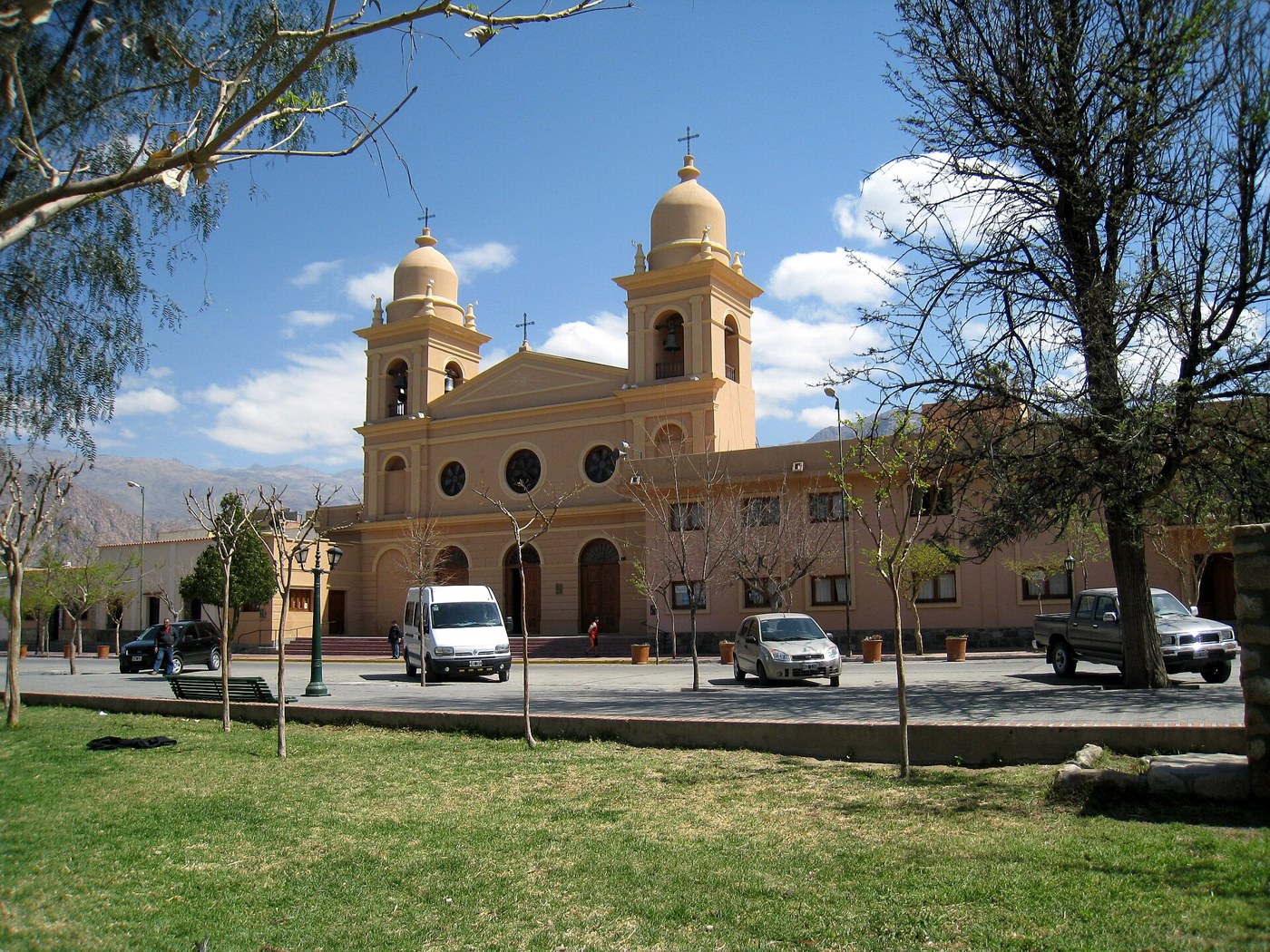

Wine is an important part of Cafayate, but every hour does not need to revolve around a tasting. The town allows an introduction to valley production alongside urban walks, crafts, and time to look at its surroundings. That variety helps when companions have different interests or someone prefers not to drink alcohol. A wine-growing landscape can be understood through work, water, and the organization of land as well as through a glass.
Questions before a tasting
The Museo de la Vid y el Vino offers a starting point for questions you might later take to a producer visit. How does cultivation relate to the environment? Which tasks happen before a bottle reaches the table? Select one or two questions and notice how they are explained. Exhibitions and tours do not all provide the same depth. Checking the current presentation helps you decide whether to devote an unhurried part of the morning to it or combine it with another nearby activity. Understanding a production story does not require turning the day into a sequence of purchases.
A center worth lingering in
Around the square and nearby streets, an outing can focus on materials, food, or how products are sold. At the artisan market, asking who made an object and how it is used produces a more specific exchange than simply looking for something “regional.” At lunch, there is no need to find a menu representing the whole of northern Argentina. One well-explained preparation, its ingredients, and variations within that kitchen provide enough to explore. Make time to sit down: the center cannot be understood only by walking from one business to the next.
Distinguish the surrounding excursions
Trips to ravines, waterfalls, or rock-art sites have their own conditions and permissions. They are not equivalent outings or necessarily easy walks from your accommodation. Ask for the precise route name and establish terrain, accompaniment, and transportation requirements. If you arrive after several hours in the Quebrada de las Conchas, another excursion may be better left until the following day. Cafayate becomes more interesting when it is not merely a lunch stop before returning elsewhere. An overnight stay or an afternoon without a transfer creates room to notice its rhythms and select an activity out of curiosity rather than obligation.