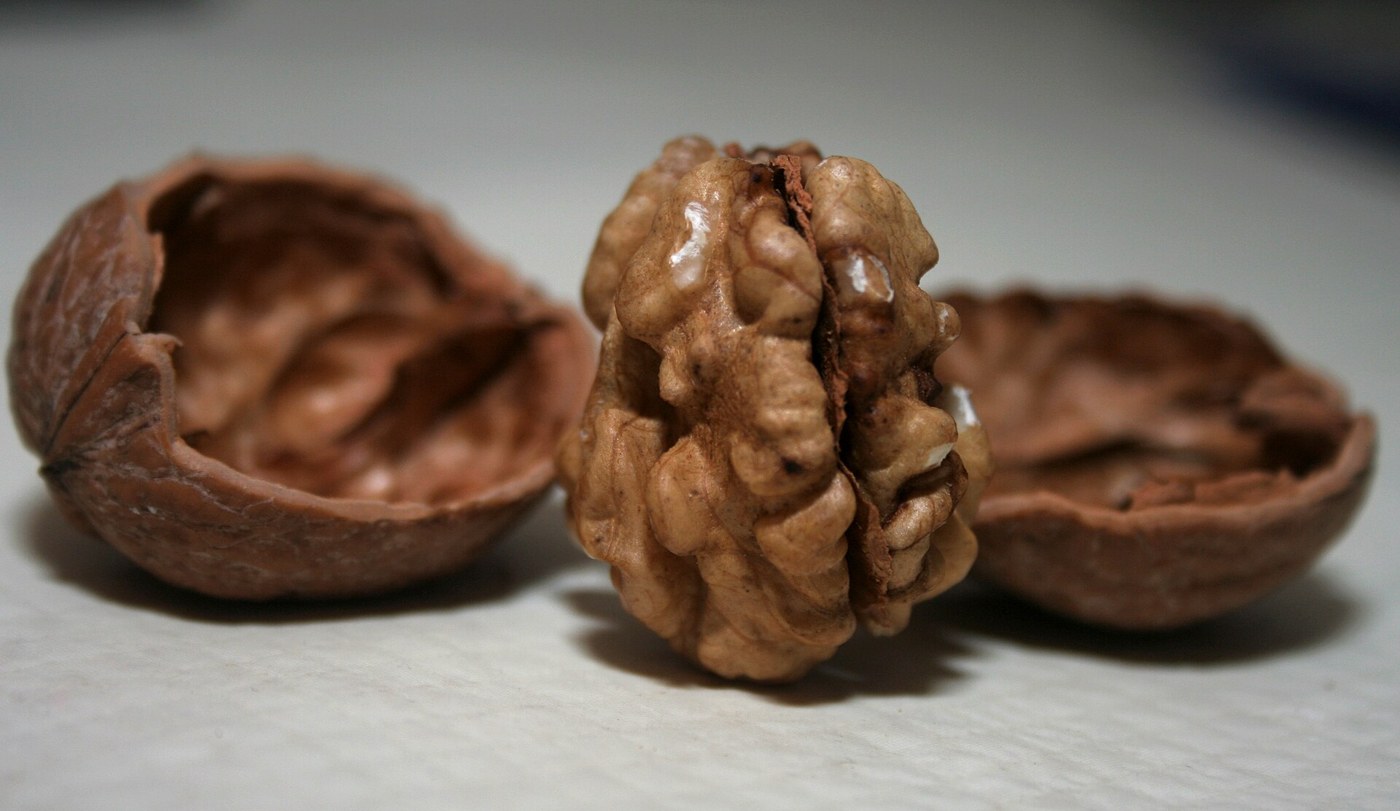

A bag of walnuts may seem like an easy souvenir, but it helps to identify exactly what is being purchased. In-shell, shelled, candied, or included in a confection, walnuts become different products. Nuts and dehydrated fruit also often share a counter without belonging to the same category. Naming the specific preparation helps explain ingredients, use, and storage.
Identify the origin
Walnut production is present in Catamarca and La Rioja as well as other Argentine provinces. That regional association does not prove that every bag sold in a valley was grown there. Ask about origin and producer when information is available. A shop can legitimately bring together products from different areas, provided provenance is described clearly.
Choose a presentation
When comparing in-shell and shelled walnuts, consider intended use and luggage space. Shelled nuts are convenient for eating or cooking but need protective packaging. A candied version adds ingredients and may be more fragile. Do not use size or color as the only quality measure. Examine the product's condition and the information supplied by the seller.
Walnut sweets may contain milk, egg, flour, or other ingredients depending on the recipe. For someone with a dietary restriction, keep the ingredient list or obtain sufficient information before choosing. Being sold as regional does not make a product's composition obvious. Shared packaging or display also does not establish absence of contact with other foods.
Store and transport
Ask how to store the purchase and what consumption period the producer recommends. Heat, humidity, and open packaging can affect characteristics that seemed satisfactory at purchase. On a travel day, avoid leaving the bag in direct sun or crushed among luggage. A modest amount kept properly may be a better purchase than a large assortment you cannot care for.
If crossing a border, check destination requirements for fruit and food products rather than assuming shelled or packaged means automatically allowed. To remember the visit, record the valley or producer name that was actually confirmed. This preserves a specific connection with a place instead of turning the purchase into a generic mixture of northern flavors. Clear identification also makes it easier to find the same product again.