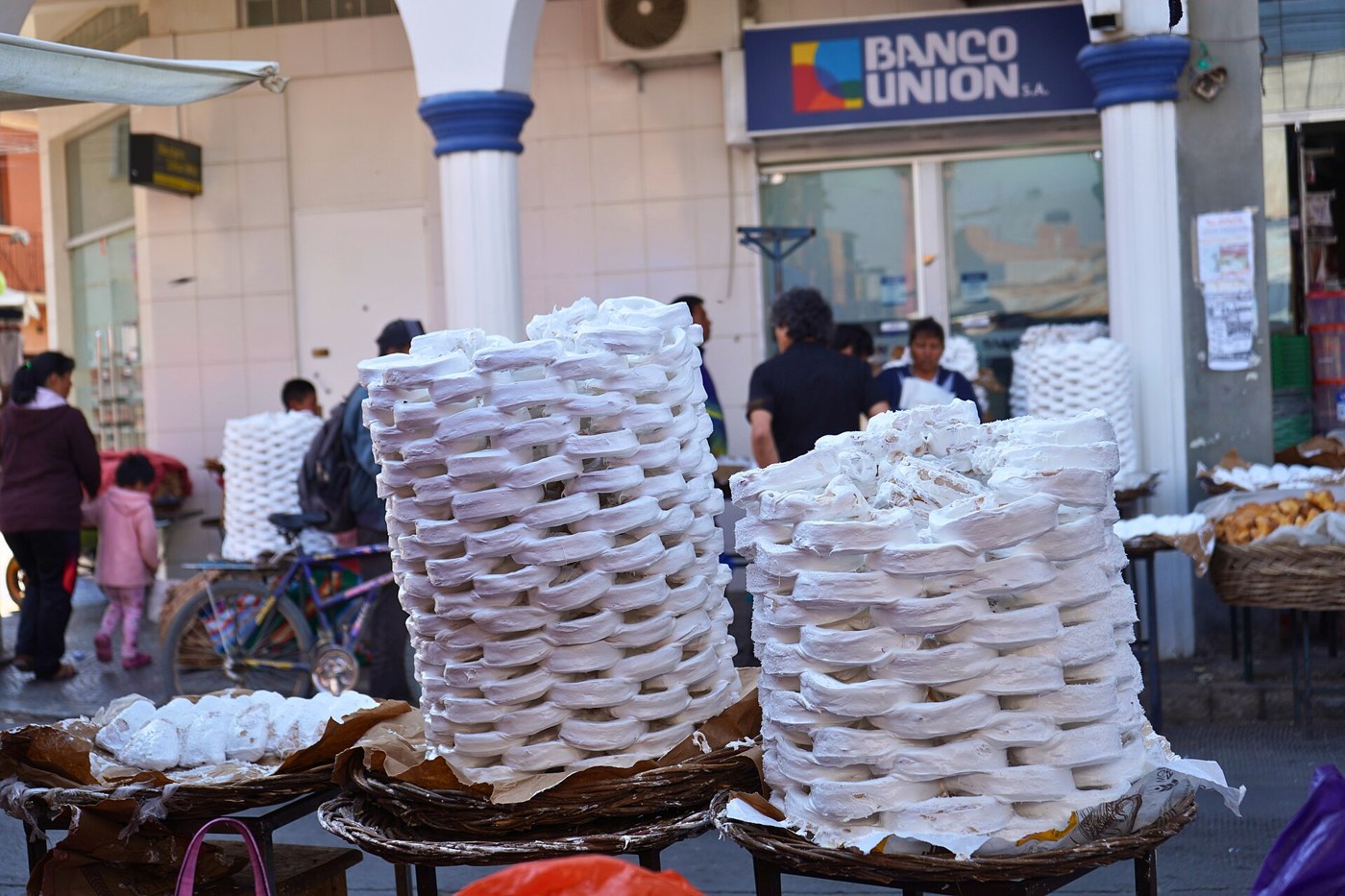

A ring shape may prompt an immediate comparison between a rosquete and another familiar sweet bread. Visual resemblance is only the beginning. Dough, cooking, and coating create differences worth noticing before translating it into a product you already know. Across northern Argentina, the name appears in local traditions that need not repeat an identical recipe.
Shape does not tell everything
Tucumán Turismo describes a ring covered with a layer of meringue and provides a particular recipe. That formulation is an example rather than a definition of every rosquete. Size, texture, and method may differ elsewhere. For comparison, record where each piece comes from and what the producer explains, rather than deciding from a photograph which one deserves the name.
Coating and dough can be considered separately. A dry or brittle exterior contrasts with the interior, and their proportions affect each bite. Notice the coating without touching every item on a stall. If you need to know whether anise, egg, or another ingredient is included, ask. Aroma may offer a clue but is not an ingredient list.
At the table and in the luggage
A rosquete can accompany an afternoon snack with mate, coffee, or another drink. It does not require a formal tasting ritual, although trying it before dipping helps reveal its original texture. Afterward, choose how you prefer to eat it. One family's habit need not become a rule for everyone encountering the food.
For a gift, consider the coating's fragility. Packaging that prevents crushing is more useful than placing it in a bag full of other purchases. Ask how long it retains its characteristics and how to store it. Do not assume all dry baked goods keep equally well. Preserve ingredient information when a recipient needs to avoid particular foods.
Compare attributed recipes
The preparation can also inspire later cooking. Find a recipe attributed to a region or maker and follow that complete version before comparing another. Differences then become choices rather than apparent errors: the amount of coating, the dough's structure, and the cooking method. A rosquete offers a concrete way to explore variation within a tradition without making it an authenticity contest.