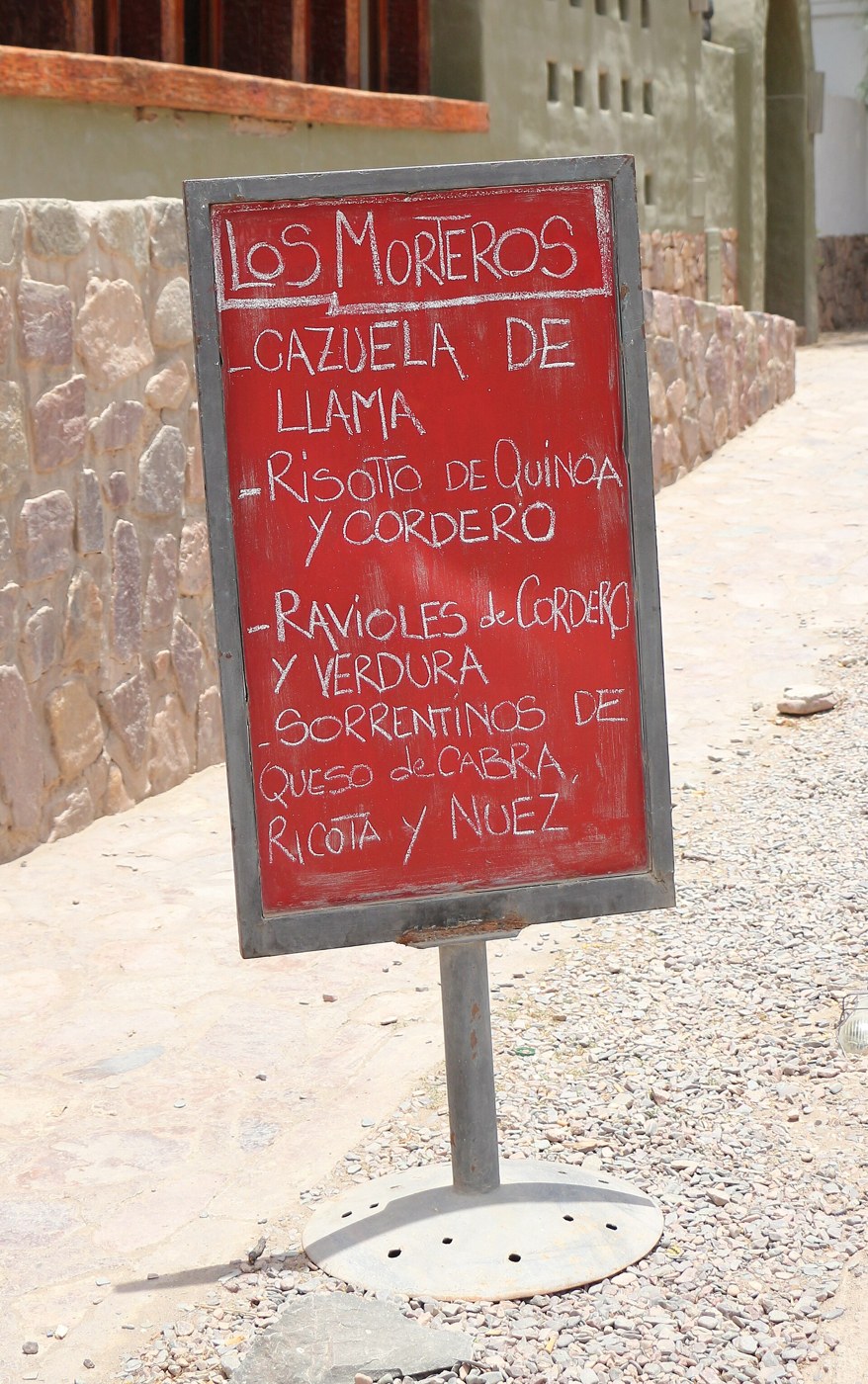

A regional menu may combine familiar words with preparations whose contents are unclear. Humita, locro, quesillo, or a vegetable empanada does not identify every ingredient by itself. When avoiding a food matters, the dish name is only the beginning of a conversation. Decisions should rely on information from this kitchen rather than a recipe found for another version.
Explain the need
Distinguish a preference from a need requiring specific precautions. Saying you prefer no cheese does not communicate the same thing as explaining a milk allergy. Use a clear sentence naming the ingredient to avoid and ask whether the kitchen can accommodate that condition. You do not need to share your entire personal history, but provide enough information to prevent the request from being treated as optional taste.
What the plate does not show
Ask about advance preparation. Stock, fat, sauces, doughs, and mixes can contain components not visible on the plate. A stew without meat pieces may contain meat stock; humita may include cheese; pastry may contain egg or milk. These are examples of useful questions, not claims that every kitchen uses those ingredients.
For allergies or celiac disease, removing an item from a plate may not resolve the issue. ANMAT information distinguishes ingredients from contact during preparation and service. Ask about utensils, surfaces, and realistic separation procedures too. If staff cannot confirm what is needed, choose an option consistent with your personal plan or another establishment. There is no obligation to eat merely to avoid social awkwardness.
Language, labels, and decisions
A written Spanish card can help when language makes explanation difficult. It should identify the need precisely rather than rely on an ambiguous translation. Show it before ordering and confirm that whoever prepares or coordinates the dish received the message. A quick response from someone who has not consulted the kitchen may not provide enough information for a decision.
For packaged products, read the complete label rather than only the highlighted name. Keep the packaging if information may be needed later. For a medical condition, follow your clinician's guidance and carry what your established plan requires; a travel guide cannot assess individual risk. Eating during a trip should allow exploration within clear boundaries, without turning culinary curiosity into an obligation to try everything.