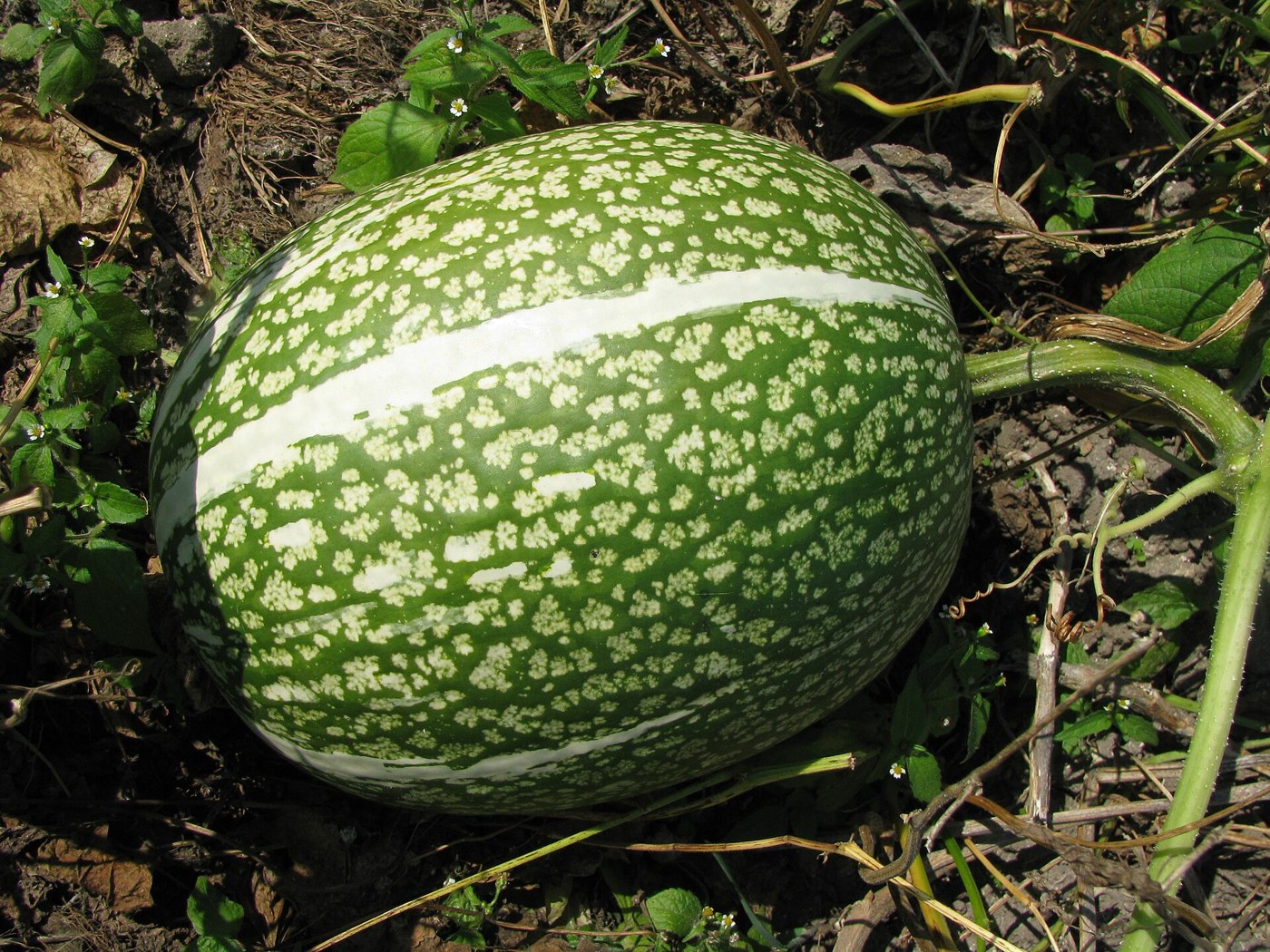

Cayote preserve can surprise through a texture unlike a smooth jam. Strands of flesh remain recognizable within syrup, making the experience depend on mouthfeel as well as sweetness. That feature helps identify it, although it cannot reveal every ingredient in a particular preparation.
The fruit and the preserve
Cayote is Cucurbita ficifolia, a cucurbit known by different names in different regions. It should not be confused with every squash used in a stew or another fruit because of a similar name. Research material on food crops describes its fibers and use in preserves. In a shop, ask whether the product contains cayote alone or combines it with other ingredients.
Strands and accompaniments
A serving may include cheese or walnuts, or appear inside pastry. Each combination changes the relationship among sweetness, fat, and texture. To understand the preserve, try a little before mixing it with every accompaniment, then compare the result. There is no need to identify one compulsory pairing. A kitchen's preference may differ from another household's version.
Visible strands do not mean a preserve is undercooked, nor does every fibrous filling qualify as cayote. Identification should rely on product information. Ask about additions too, especially when it appears inside a pastry or sweet empanada. The dough may contain ingredients absent from the preserve itself that matter for preferences or dietary restrictions.
A jar to take home
For a jar, check the seal, producer identification, and storage instructions. Homemade or artisanal preserves do not become indefinitely stable because they contain sugar. Follow the product's instructions after opening rather than using the appearance of another preserve as a guide. Choose an amount and container you can keep under the recommended conditions during your journey.
Recording the fruit's name helps recognize it again among regional terms. You can also keep an attributed recipe reference to learn about its preparation. A northern meal may leave this specific curiosity: how a fruit's flesh changes without completely losing its structure. The interest lies in observing that transformation, rather than reducing cayote to a dessert expected to look and taste identical everywhere. A precise name and a remembered texture are useful starting points for further exploration.