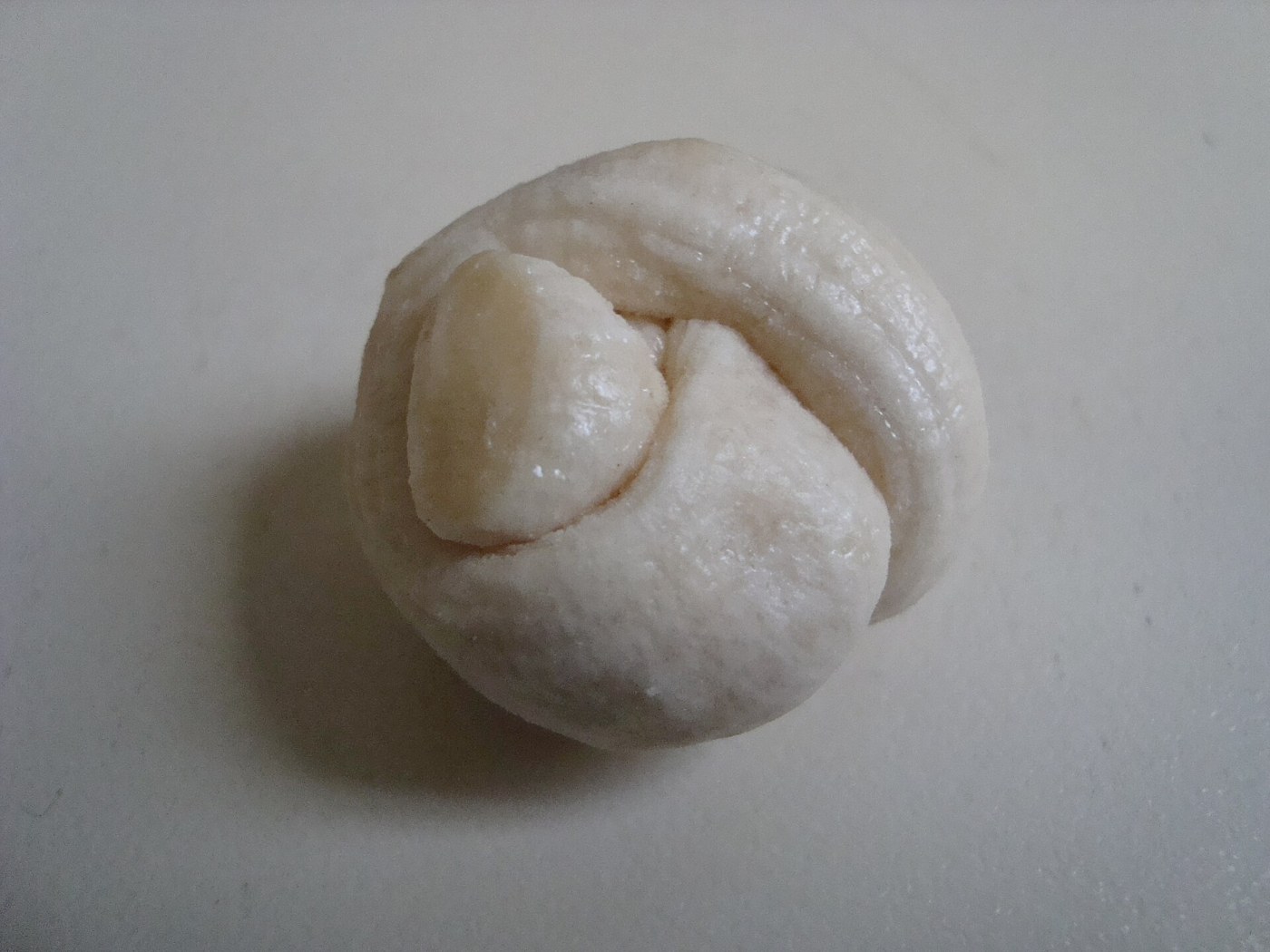
An alfeñique takes little room in a bag, yet its form can begin a conversation about technique and a productive landscape. In Tucumán it is associated with sugarcane confectionery traditions. Appreciating it does not require turning a trip into a cooking lesson. It helps simply to recognize that the finished appearance depends on working syrup, not only pouring sugar into a mold.
From syrup to shape
Tucumán Turismo's published recipe describes syrup that is worked and pulled until lighter in appearance, then divided and shaped into small knotted pieces. Formulations can vary. Some presentations have different tones and flavors, so color alone cannot establish ingredients or quality. Ask what the offered version contains, especially when cane syrup or flavorings are mentioned.
Looking at the surface may reveal folds and shaping marks. Sweets do not need to be perfectly identical to be well made, but irregularity alone does not prove hand production. If a producer explains the method, distinguish what you observed from what you were told. An arranged demonstration may show one stage without recreating the entire process.
Watching is not learning the whole process
Working hot syrup requires knowledge and precautions that a brief observation cannot convey. Do not touch it during a demonstration or ask a child to imitate a movement. To make alfeñiques afterward, find a complete recipe with appropriate instructions rather than reconstructing the method from a photograph. Culinary curiosity can continue without improvising a delicate task.
Tasting and transporting
Taste a small portion to notice texture and aroma. The word cane does not imply an identical flavor in every product derived from it. Nor should a small sweet be presented as having special health benefits. It can be appreciated for its taste and the work involved without adding promises it does not need.
For transport, ask how to protect the product from humidity, heat, and impact given its packaging. Keep identification and ingredients when buying it as a gift so the recipient knows what it contains. The memory becomes more precise when described as one producer's alfeñique or a particular purchase in Tucumán, rather than a generic object supposedly representing every northern sweet.